
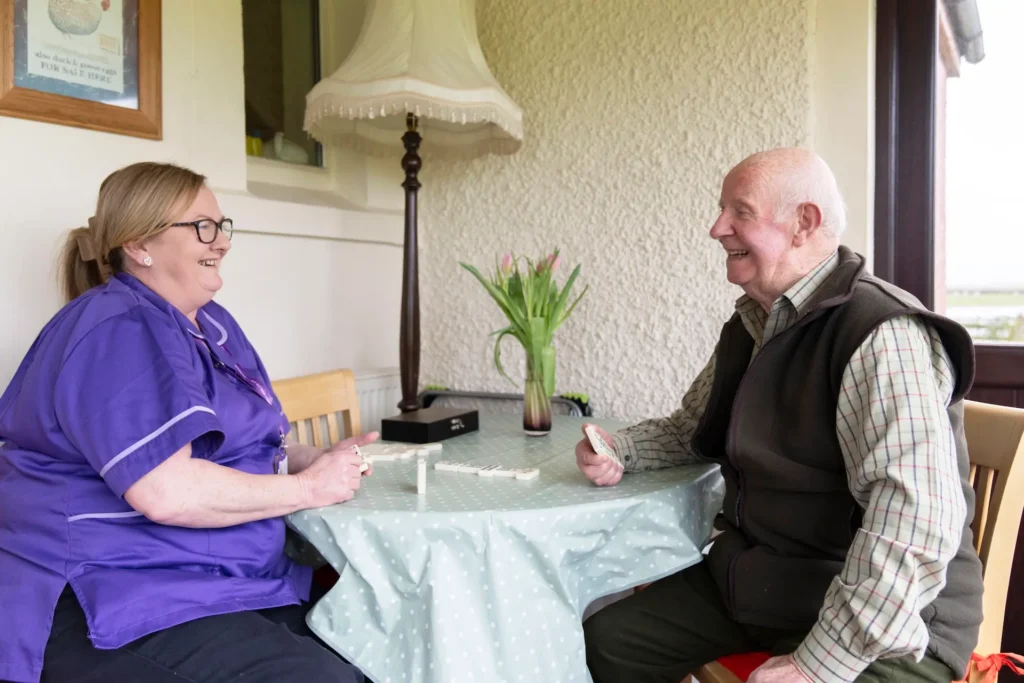
Staying active is essential at any age, but it’s especially important for older adults who may spend more time at home. Whether you’re a family member, carer or an older adult, introducing meaningful activities into the daily routine can support mental stimulation, physical wellbeing and feelings of connection.
This blog explores ten enjoyable and age-appropriate activities for elderly people, including options that can be done independently or with others. The ideas are simple, flexible and designed to support the quality of life of those who are elderly.
As a family-run care provider, compassionate, person-centred care is at the heart of what we offer, and so from our family to yours, we hope you find this blog helpful.
Why activities are essential for older adults
There are numerous reasons why taking part in activities and remaining active is essential for older people, we will outline some of these reasons below.
Promoting independence
Activities that encourage decision-making, creativity or physical movement help older people feel more capable and in control of their daily lives. Even small, simple tasks can reinforce a sense of autonomy and purpose.
Supporting memory, mood & mobility
Regular engagement in enjoyable pastimes has been shown to support cognitive health, reduce feelings of anxiety or depression and maintain mobility.
Reducing loneliness & boredom in seniors while at home
One of the biggest challenges faced by older people, particularly those living alone, is loneliness. Incorporating meaningful activities can reduce boredom and create valuable moments of enjoyment and connection.
Now that we understand just how important it is to ensure elderly adults are taking part in stimulating activities, we’ve pulled together a helpful list of ten things you can do, or suggest to an elderly loved one, creating a sense of connection and purpose for them.
1. Gentle chair exercises or seated yoga
Staying physically active is important for mobility, circulation and joint health. Chair exercises and gentle stretching routines offer a safe and effective way to build strength and flexibility.
Many online videos on YouTube from the NHS make it easy to get started, so you can easily do this with an elderly relative at home.
2. Brain-boosting games for elderly adults
Keeping the mind sharp is just as important as staying physically active. Puzzles, word searches, memory games and card games for elderly adults are a great way to stimulate mental activity. Digital options like brain training apps can also be fun and accessible.
3. Arts, crafts & painting projects
Creative hobbies such as knitting, painting, colouring or crafting support fine motor skills and provide an emotional outlet for self-expression. This can be done alone or with friends or family members, and the finished projects often bring a sense of pride and achievement.
4. Listening to music or creating a playlist
Music has a powerful effect on mood and memory.
Playing favourite songs, creating themed playlists or exploring music from different eras can bring real comfort and happiness. This is a simple and soothing activity, perfect for quiet moments or times when you want to wander down memory lane.
Even just singing a song your elderly relative knew or loved can be enough to trigger fond memories, getting them to join in is a lovely thing to do and will create a real moment of connection.
5. Reading or audiobooks
Reading is a classic and rewarding solo activity, and it has been coined by psychologists as ‘bibliotherapy’ due to the benefits that reading unlocks.
For those with visual impairments or fatigue, audiobooks offer an excellent alternative to enjoy the power of storytelling and let their imagination take them on a journey. Libraries often provide home delivery services, making it easier to access a wide range of titles.
6. Light gardening tasks
Gardening encourages both a sense of responsibility and movement.
Whether it’s tending to indoor potted plants or planting herbs and flowers outdoors, this activity fosters a connection to nature and a sense of calm. It can give an elderly adult a purpose and make them feel needed.
7. Simple baking or cooking tasks
Making a meal or baking a cake can be a wonderful way to connect with past routines and enjoy a sensory-rich experience, as food often unlocks memories. Involving older adults in safe, manageable kitchen tasks can be incredibly fulfilling for them.
8. Reminiscing
Looking through old photo albums, creating a scrapbook or investigating the family tree are all excellent ways you can help your elderly relative engage with the past and support cognitive function. Showing pictures of bygone days can be especially valuable for those living with dementia, who often have memories of their past but struggle with recent memory.
This helps to provide elderly people with a sense of identity and the opportunity to remember who they are and where they came from.
9. Communication with family
Staying connected with loved ones is vital. Whether it’s writing letters, sending postcards or joining a weekly video call, this activity supports emotional wellbeing and helps maintain important relationships.
10. Indoor hobbies
Hobbies like jigsaw puzzles, model building, stamp collecting or organising keepsakes provide hours of enjoyment, while challenging their mind. Another excellent task is encouraging your elderly relative to pair up socks from the laundry. This has many benefits, it’s a calm and therapeutic act, while also being mentally stimulating.
These are all ideal things for bored or lonely elderly people to do alone or with loved ones, as they promote focus and satisfaction in a calm environment.
Choosing the right activities for older adults
It’s essential that you choose the right activities for the elderly relative in your life. So please keep in mind their physical mobility, cognitive ability and past hobbies and interests when you are introducing them to activities.
You are trying to enrich their life and furnish them with pastimes that feel familiar, enjoyable and of course, achievable.
Conclusion
Supporting older adults with meaningful activities at home is one of the best ways to enhance their quality of life. Whether it’s creative expression, gentle movement or enjoying a good book, these activities can bring joy, confidence and connection.
If you’re looking for a home care provider that prioritises wellbeing alongside practical care, Hamill Homecare is here to help. You can contact our team to find out how we can support you or your loved one with personalised, compassionate and activity-enriched care at home.
If you have any specific questions about what we do at Hamill Homecare, or if you are seeking a carer for a loved one, we’d be happy to have a chat with you to see how we can help.