

Choosing the right career is about more than just finding a job. It is about finding work that interests you, rewards you, sustains you and feels suited to who you are as a person.
For many people, a career in home care offers exactly that. It is a role built around compassion, trust and practical support, helping people live safely and comfortably in their own homes for as long as possible.
If you have ever found yourself wondering whether a career in care could be right for you, this blog explores what the role involves, what qualities matter most and why home care can be a fulfilling long-term career.
What does a home care worker do?
A home care worker supports people in their own homes with day-to-day tasks that help them remain independent. Every client is different, which means no two days are the same.
The carer job role can include practical support such as helping someone get washed and dressed, preparing meals, assisting with medication, supporting mobility or helping with daily routines.
For some clients, care may also involve companionship and serving as a familiar, trusted face at certain times of the day or night.
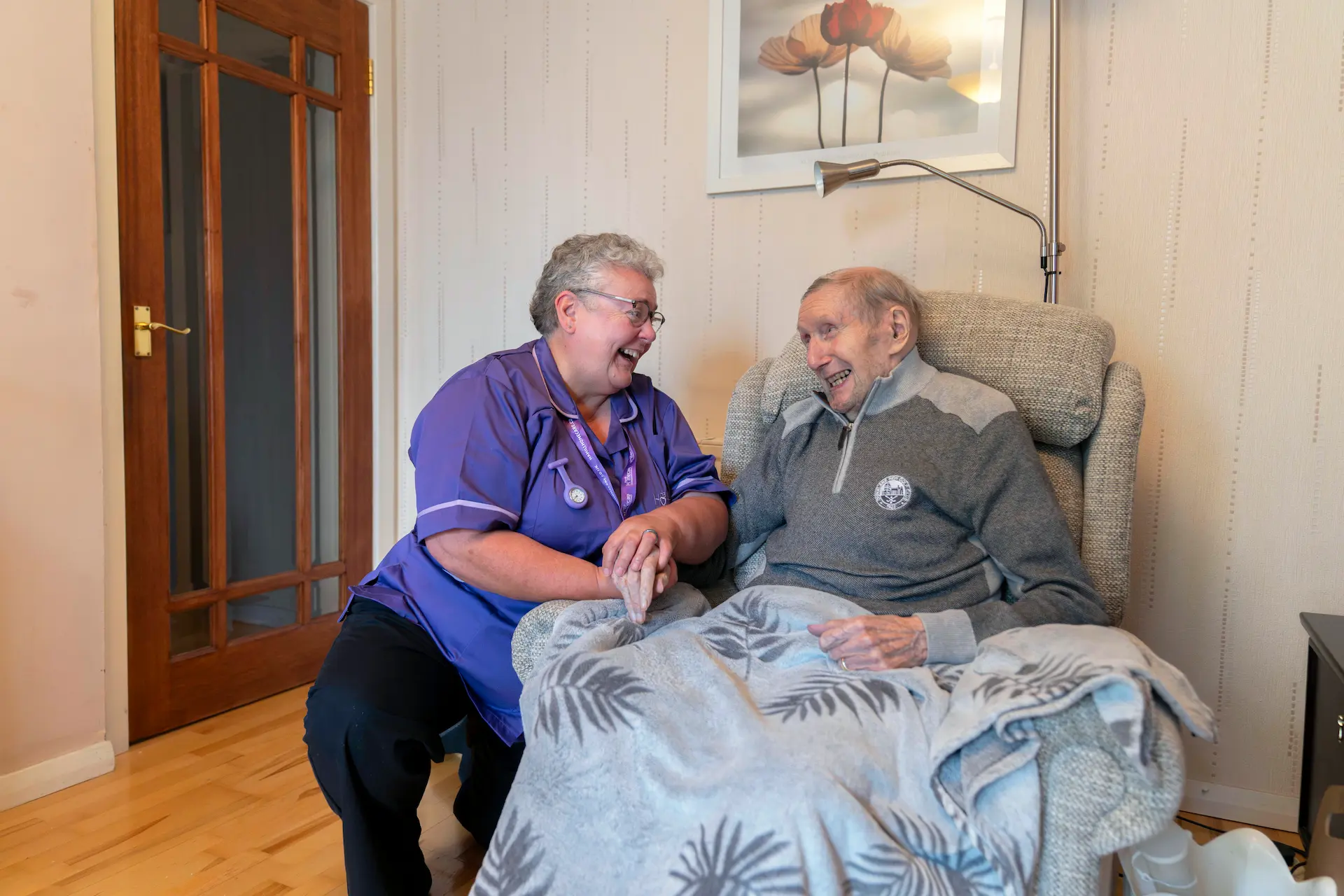
At Hamill Homecare, we’re proud to deliver compassionate, high-quality care to people in their own homes, supporting individuals with complex needs, chronic conditions or terminal illness.
Care is never just about completing tasks. It is about taking the time to understand each person, their preferences, their routine and what helps them feel safe and comfortable in their own home.
Why do people choose a career in care?
People are drawn to a career in care for many reasons. Some have supported a family member and discovered a natural ability to care for others. Some want a role where they can make a real difference to people’s lives every day. Others are looking for work that feels more personal and worthwhile.

If you are considering a career in care, it may help to think about what motivates you. Do you enjoy helping people? Are you patient and reliable? Do you want a job where kindness and practical support can genuinely change someone’s day?
For the right person, working as a carer can offer a deep sense of purpose. You are not simply turning up for a shift. You are helping someone maintain their independence and stay in their home, the place they know and love best.
The day-to-day reality of working as a carer
A career in care is incredibly rewarding, but it is also important to understand the reality of the role. Care work requires responsibility, emotional maturity and resilience. You may be supporting someone frail, unwell, living with dementia, recovering from illness or managing complex needs. Some days may be physically demanding. Others may require patience and calm communication.

However, the day-to-day role can also be full of small, meaningful moments of joy. For example, helping someone start their morning with dignity, making a cup of tea exactly how they like it, supporting someone to feel confident after a difficult day or just sharing conversation and companionship. These moments matter, and they are often what make the role so special.
What are the skills and qualities of a good carer?
While training is of course essential, some of the most important qualities in care come from who you are as a person. A good carer is:
Kind and compassionate
Compassion sits at the heart of care. Clients should feel they are being supported by someone who genuinely cares about their wellbeing and shows kindness at all times.
Reliable and trustworthy
When someone depends on you for care, reliability matters. Turning up when expected and doing what you say you will do helps build trust with clients and families.
As you are spending time in someone’s home, this requires you to be a trustworthy person.
Patient and understanding
Care should never feel rushed, and at Hamill Homecare, our visits are a minimum of 45 minutes.
Displaying patience helps clients feel respected, especially when tasks take longer than expected or when communication becomes more difficult.
Observant and responsive
A good carer notices changes. This could be a change in mood, appetite, mobility or general wellbeing. Spotting these details can help ensure clients receive the right support at the right time.
Respectful
Personal care can feel vulnerable. A skilled carer understands how to provide support in a way that protects dignity and privacy.
Is home care a long-term career?
Home care is a long-term career and can open the door to a rewarding career path, with opportunities to develop specialist skills, gain experience in areas such as dementia care or complex care and progress into senior care roles.
At Hamill Homecare, we value carers as skilled professionals, and we believe good carers should feel supported and recognised for the vital work they do.
From your first induction to specialist skills like dementia and PEG care, we support our carers every step of the way with their ongoing training and development. Importantly, all of our training is developed by qualified nurses.
Why is home care different to other career paths?
When you work in home care, you are supporting people in their own environment, often at some of the most vulnerable moments in their lives.
This means relationships are central to the role. Over time, carers get to know clients properly, including their routines, personalities, likes, dislikes and what matters most to them.
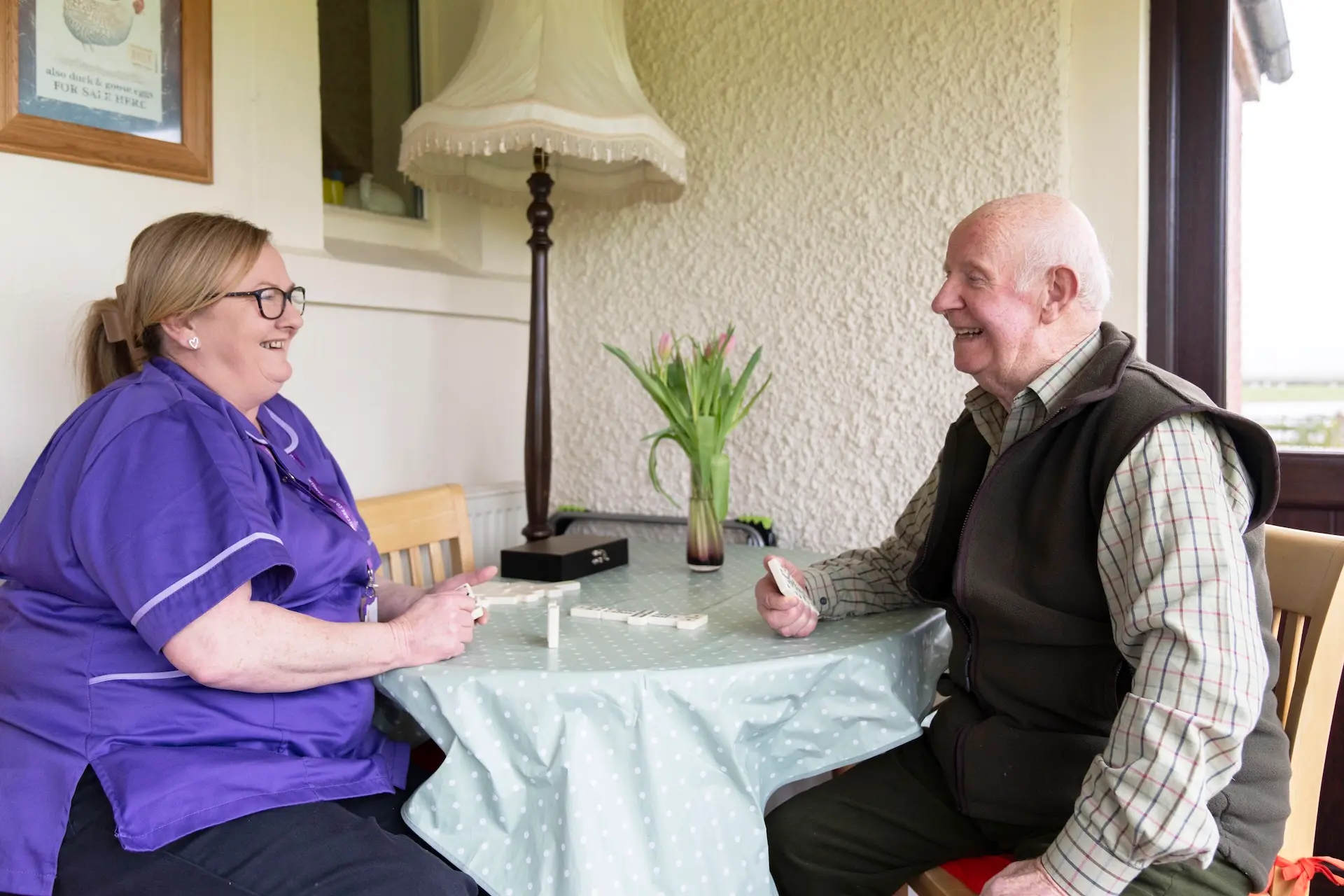
For many carers, this relationship-based approach is one of the most rewarding parts of the job.
You see the difference your support makes, not in an abstract way, but in a tangible way, within people’s quality of life and the impact this has, not only on them and their ability to live at home, but also the impact this has on their family.
Could working as a carer be right for you?
A career in care could be right for you if you are motivated by helping others and you are a dependable and trustworthy person. You do not need to have all the answers from day one, but you do need to care about people and be willing to learn.
If you’re looking for a new role with clear purpose, where every day has meaning and where your work directly supports someone’s independence and quality of life, a career in care could be just the move for you.
Conclusion
Working as a carer is not just about providing practical help. It is about trust, dignity, compassion and connection.
For those with the right qualities, becoming a home care worker can be the start of a fulfilling and meaningful long-term career. It is a role where small actions make a big difference, and where the care you provide can help someone continue living safely and comfortably in the place they love most.
If you are considering a career in care, get in touch with Hamill Homecare, who would be delighted to discuss opportunities with you. You can view our available vacancies on our website.
If you have any specific questions about what we do at Hamill Homecare or if you are seeking care for a loved one, we’d be happy to talk through your needs and explain more about our approach to home care. Please get in touch with our team to have a chat about how we can help.